
Let’s be blunt for a second. Burnaby is damp. Even when the sun shows up, moisture just… hangs around. And wood hates that. Strings complain. Electronics sulk. And then one rainy week turns into a warped neck or a fuzzy amp channel and suddenly you’re pricing repairs instead of playing shows.
A lot of us musicians rely on Burnaby self storage when space disappears — moving, renos, roommates collecting pinball machines in the living room (yes, that happens). So if your favourite guitar, clarinet, or DJ setup gets temporarily evicted, let’s keep it healthy while it waits for your next gig.
I’m not writing this as some corporate robot manual. This is just what actually works around here.
Burnaby’s Humidity: It Sneaks Up on You
Burnaby lives between mountains and the ocean, which sounds poetic until your violin swells like a sponge. Near Deer Lake? Wetter. Closer to Metrotown towers? Still damp. Up at SFU? Cold + damp. Pick your fighter.
Humidity messes with everything:
Sometimes you open a case and instantly regret your life decisions. Let’s not meet that version of your instrument.
If you notice even tiny issues — weird odour, fret ends poking, valves a bit crunchy — hit pause. Clean first.
The Packing Ritual (Do It Right, Just Once)
Fast wipe-downs don’t cut it when an instrument is going into a dark box for months.
Also — remove the snack wrappers in your gig bag. I’ve seen unbelievable things in side pockets.
This is the part people skip, then cry about later.
Batteries leak, destroy circuits, and ruin weekends.
Bubble wrap helps. Too much bubble wrap suffocates. Your case should feel like a hug, not a wrestling match.
Label screws and small parts. Your future self will high-five you for that one.
What Case? The Right Answer Isn’t “Whatever Bag I Have”
Hard truth: soft gig bags are more like jackets than armour. They’re fine in your hand — terrible in storage.
| Case Type | Protects Against | Good Choice For | Reality Check |
| Hard Case | Falls, pressure, humidity shifts | Strings, brass, woodwinds | Standard if you love your gear |
| Flight Case | Almost everything | Amps, drums, DJ rigs | Heavy but heroic |
| Gig Bag | Scuffs, light bumps | Short travel only | Do not long-term store |
| Piano Crates | Gravity, movement | Upright & grand pianos | Let pros handle this |
If your case has a broken latch . . . that’s not a case. That’s a suggestion.
Humidity Control — The Real MVP
Ideal conditions (and yes, they matter):
Tools that save instruments:
I’ve seen a gorgeous vintage Telecaster ruined because someone thought their basement was “pretty dry.” It wasn’t.
How to Store Instruments Inside a Unit Without Sabotaging Them
Climate-controlled storage = yes
Garage storage = if you secretly hate your gear
Lay things out like this:
Security matters too. If the place doesn’t have cameras, access control, and humans around? Keep looking. Burnaby isn’t crime-proof.
And for pianos . . . hire professionals. Your back — and the piano — will appreciate that choice.
Different Instruments, Different Drama
Loosen strings a hair. Humidifier in the case. Cloth between strings and fretboard. Don’t argue.
Full disassembly. Cork grease before the long sleep.
Dry everything — spit exists, we all know it — then oil valves.
Nest shells with padding. Cymbals in sleeves unless you like scratches that never go away.
Power everything down and isolate cables. Dust is sneaky, condensation sneakier.
Climate matters more than the moon’s gravitational pull (almost).
Quick Checklist (Print It, Screenshot It, Tattoo It?)
Done? Good. Go treat yourself to sushi at Metrotown or something.
Where Musicians in Burnaby Actually Store Stuff
Folks store gear because life gets tight — moving into a condo, waiting for renos, growing family, whatever. Storage keeps music alive when the space doesn’t cooperate.
Climate-controlled units in Burnaby are the safest bet. If you’ve got internal resource pages like:
I’ll slot these links perfectly where they boost SEO without sounding like a robot snuck in.
Final Thought (Not a Pep Talk, Just Real)
Good instruments don’t ask for much. A little respect. A decent case. Air that won’t rot them from the inside.
Then when you pull that guitar out next spring — maybe you’re heading to a jam at a buddy’s place near Canada Way — it’ll still sing like it remembers you.
And honestly? That feeling makes the whole storage thing worth it.
Music is a universal language that influences people of all ages, but its impact is especially profound on children. From the earliest stages of life, music helps shape brain development, emotional well-being, and social skills. Whether through lullabies, nursery rhymes, or interactive musical play, children naturally respond to rhythm and melody, making music an essential tool for learning and growth.
This article explores how music supports a child’s cognitive, emotional, and physical development, as well as practical ways parents and caregivers can incorporate it into daily life.
Music is more than just an enjoyable activity—it plays a significant role in cognitive growth. Studies have shown that exposure to music at an early age strengthens neural connections, improving memory, attention span, and problem-solving skills. The patterns and rhythms in music help children recognize sequences, a fundamental skill for math and language development.
Learning to play an instrument, singing songs, or simply listening to music stimulates both hemispheres of the brain. Children who engage with music regularly often show advanced literacy and numeracy skills compared to their peers. Research also suggests that children who learn to play instruments have better spatial reasoning abilities, which are crucial for subjects like mathematics and engineering.
Music is deeply connected to emotions, making it a powerful tool for helping children understand and express their feelings. Even before they can speak, infants respond to the tone and mood of music, recognizing joyful, calming, or energetic melodies.
Singing to children, especially lullabies, has a soothing effect, reducing stress and creating a sense of security. As children grow, music provides an outlet for self-expression, allowing them to explore their emotions in a safe and creative way. Dance and movement activities set to music further enhance emotional release and help with emotional regulation.
For children experiencing anxiety or stress, soft, slow music can have a calming effect, while upbeat songs can boost energy and improve mood. Music therapy is often used to help children with emotional difficulties, showing the deep psychological benefits of musical engagement.
Music is an inherently social activity. Singing songs together, clapping to a rhythm, or playing instruments in a group setting helps children develop essential social skills like teamwork, cooperation, and communication.
Group musical activities, such as singing in a choir or participating in a music class, teach children to listen to one another, take turns, and coordinate their actions with others. These interactions help build confidence and a sense of belonging, making music a valuable tool in early childhood education and socialization.
Music also plays a significant role in cultural awareness, introducing children to different traditions, languages, and histories. Learning songs from various cultures fosters an appreciation for diversity and helps children connect with people from different backgrounds.
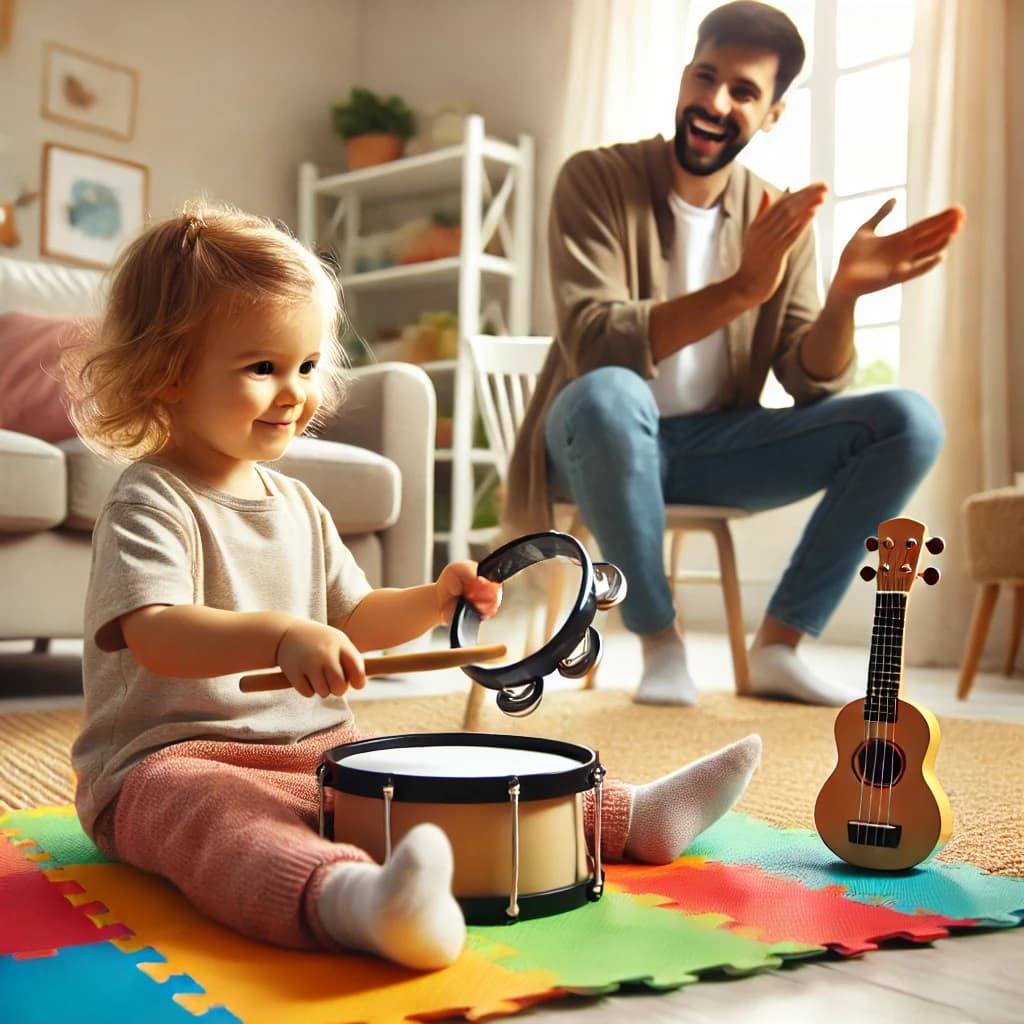
Music is naturally linked to movement, making it an excellent way to support a child’s physical development. Dancing, clapping, and playing instruments like drums or tambourines improve fine and gross motor skills. Activities that involve coordination, such as tapping a beat or following a rhythm with body movements, help children develop balance and control.
For young children, simple musical games like pat-a-cake or action songs like "If You’re Happy and You Know It" enhance motor coordination and body awareness. Music and movement activities also encourage physical exercise, which is essential for overall health and well-being.
Additionally, research has shown that rhythmic movement in early childhood can enhance speech and language skills. The connection between rhythm and language processing suggests that children who engage in musical activities may find it easier to develop strong communication skills.
Incorporating music into daily life doesn’t require special skills or instruments. Simple activities can have a lasting impact on a child’s development. Here are some easy ways to make music a regular part of a child’s routine:
The key is consistency—regular exposure to music in a fun and engaging way ensures that children receive its full benefits.
Music is a powerful force in a child’s development, influencing brain growth, emotional well-being, social skills, and physical coordination. Whether through listening, singing, playing, or dancing, music provides endless opportunities for learning and joy.
By making music an everyday part of a child’s life, parents and caregivers can support a child’s holistic development while creating beautiful memories that last a lifetime.
Music has been a fundamental part of human life for centuries, influencing emotions, memory, and even physical well-being. But its impact begins much earlier than we might think—before birth. Studies suggest that babies can hear and respond to sounds while still in the womb, and music plays a significant role in shaping their early development. From soothing prenatal melodies to lullabies that strengthen parent-baby bonds, music is more than just entertainment—it’s a powerful tool that supports both emotional and cognitive growth.
This article explores how music affects babies before and after birth, its influence on brain development, and how parents can use it to foster a deeper connection with their child.
Hearing is one of the first senses to develop in the womb, with fetuses responding to sound as early as the 16th week of pregnancy. By the third trimester, babies can recognize familiar voices and rhythms, showing signs of preference for certain sounds. Research has shown that unborn babies react to music by increasing or decreasing their movements, heart rate, and even facial expressions.
Music can have a calming effect on both the mother and the baby. Gentle melodies, classical compositions, and soft lullabies can create a relaxing atmosphere that helps reduce stress levels. In contrast, loud or jarring noises may cause agitation in the fetus, highlighting the importance of choosing music that is soothing and harmonious.
For parents undergoing fertility treatments or planning their journey to parenthood, understanding the emotional benefits of music can be a valuable part of the process. Many fertility clinics and parenthood services emphasize the role of relaxation and mental well-being in conception, making music a simple yet effective tool for stress reduction.
Exposure to music before birth can support early brain development. Studies suggest that babies exposed to music in the womb may develop better auditory processing skills, improved memory, and a heightened ability to recognize patterns in sound. This is because music stimulates neural connections, helping the brain form pathways that later support language learning and cognitive functions.
One fascinating study found that newborns recognize and prefer songs they heard during pregnancy. This suggests that early exposure to music helps with memory formation, even before birth. Parents who sing or play specific songs during pregnancy often notice that their babies respond positively to the same melodies after birth, indicating an early bond with familiar sounds.
Additionally, music is often intertwined with the broader concept of fertility, which refers to the ability to conceive and bear children. Many cultures around the world have used music and sound rituals as part of fertility traditions, believing that certain rhythms and tones can promote conception and a healthy pregnancy.
Music plays an essential role in emotional bonding between parents and their newborns. Singing to a baby—whether during pregnancy or after birth—creates a sense of security and comfort. The rhythm and tone of a parent’s voice can be soothing, helping babies regulate their emotions and feel more connected to their caregivers.
Lullabies have been used across cultures for centuries to calm infants and promote sleep. The repetitive melodies and gentle sounds provide a sense of familiarity, reducing stress and fostering emotional attachment. Research also suggests that singing to babies can enhance their language development by exposing them to patterns of speech and rhythm, making it easier for them to learn communication skills later on.
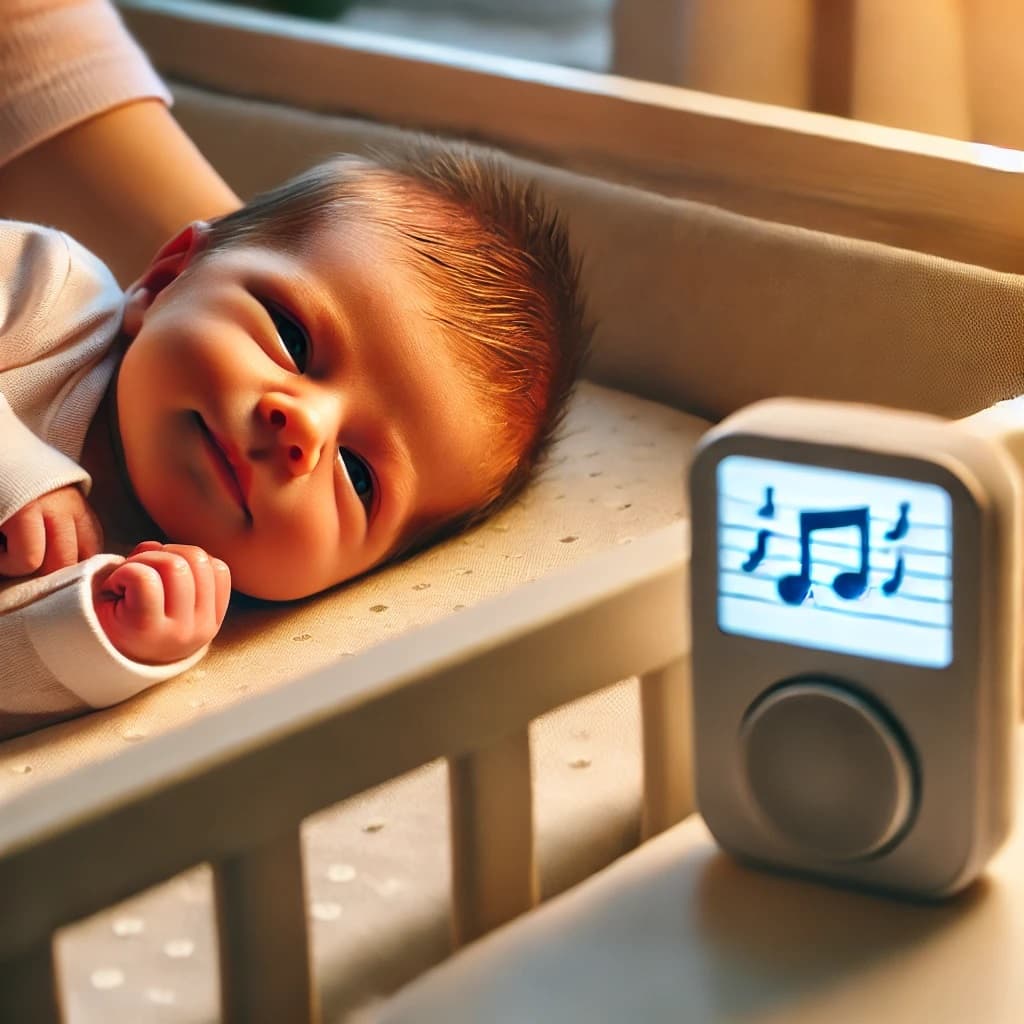
After birth, music continues to have a profound impact on a baby’s emotional and cognitive development. Soft, rhythmic tunes can help soothe fussy infants, while interactive musical activities, such as clapping or playing with instruments, encourage motor skill development and coordination.
Many neonatal intensive care units (NICUs) use music therapy to support premature babies. Studies have shown that gentle music helps stabilize heart rates, improve oxygen saturation levels, and even promote better feeding patterns in preterm infants. This therapeutic approach demonstrates how music is not just a source of entertainment but a valuable tool for early development and healing.
Additionally, as babies grow, exposure to a variety of music can help them develop better listening skills, enhance creativity, and even improve social interactions. Singing, dancing, and playing musical instruments with infants encourage active engagement, setting the foundation for a lifetime of learning and appreciation for music.
Music is one of the first connections a baby has with the world, influencing their emotions, cognitive abilities, and social bonds even before birth. From soothing prenatal sounds to the comforting melodies of infancy, music helps create a nurturing environment that supports early development.
By incorporating music into daily routines, parents can foster a deep emotional connection with their baby while also stimulating their early growth and well-being. Whether through lullabies, instrumental music, or simply talking and singing, every note contributes to the beautiful symphony of new life.