
Few decisions couples make for their wedding carry more emotional weight than the music. The song playing as someone walks down the aisle, the melody of the first dance, the track that fills the floor at midnight — these choices are rarely accidental. They are small declarations: of taste, of memory, of what the couple wants this day to mean. Behind that instinct lies a tradition stretching back thousands of years.
The use of music in wedding ceremonies predates written history. In ancient Greece, weddings were communal events that moved through the city in procession, accompanied by specific songs tied to each ritual stage. The Hymenaios — a wedding hymn named after the god of marriage ceremonies — was sung as the bride was escorted to her new home. The music was not decoration; it marked the threshold between one life and another.
In ancient Mesopotamia and Egypt, music accompanied religious ceremonies of all kinds, and marriage was among the most significant. Instruments varied by culture and region — flutes, lyres, drums — but the underlying function was consistent: music sanctified the moment and connected it to something larger than the two people involved.
Through the medieval period in Europe, the pipe organ became the dominant voice of Christian ceremony. Its capacity to fill an entire building with sustained sound made it uniquely suited to marking the weight of a vow. The processional marches that still open many modern ceremonies — most famously Wagner's Bridal Chorus and Mendelssohn's Wedding March — both date from the nineteenth century, yet they carry the accumulated authority of this much longer tradition.
One of the most striking things about wedding music across cultures is how consistent the underlying logic is, even when the sounds are entirely different.
In traditional Indian weddings, music accompanies every stage of a multi-day ceremony. The dhol drum drives the baraat procession as the groom arrives, and specific ragas are performed at different times of day, each associated with particular emotional qualities. Bhangra — a folk dance style that became widely popular in the 1950s — is now a fixture of Punjabi wedding receptions, blending heritage with celebration in a way that feels both rooted and alive.
Greek weddings have their own processional tradition, with guests and the wedding party dancing together to Orea Pou Ine Nifi Mas — roughly translated as "How Beautiful the Bride Is." The accompanying dance, the Kalamatiano, is one of the oldest continuously performed folk dances in Europe, with references that some scholars trace as far back as Homer.
Irish wedding music tends toward lively jigs and fiddle melodies that dissolve the boundary between ceremony and celebration. In many African traditions, wedding songs serve as a form of communal instruction — conveying lessons about marriage, shared values, and responsibilities through lyrics that the entire community sings together.
What connects all of these is the sense that music does something words alone cannot. It gathers people into a shared emotional state and marks the moment as one worth remembering.
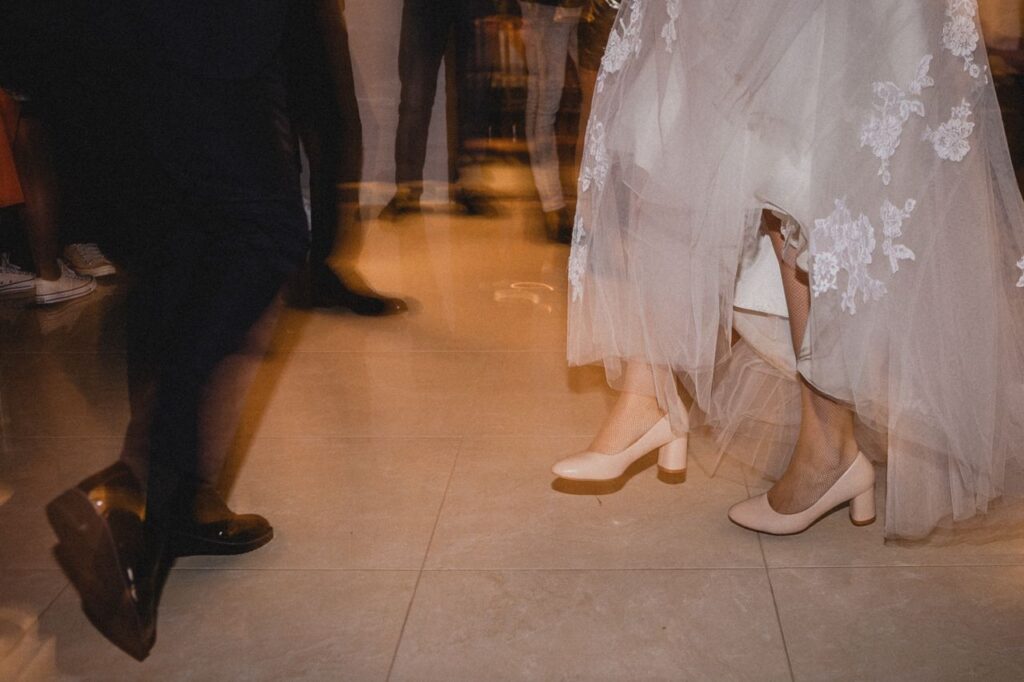
The first dance as a distinct wedding ritual is relatively recent. It began to take shape during the jazz age of the 1920s and 1930s, when live big band music became a feature of reception celebrations and the idea of a couple dancing together as a symbolic act gained cultural traction. Songs like "At Last" by Etta James — recorded in 1960 but rooted in earlier jazz and blues traditions — became standards of this repertoire and remain among the most requested wedding songs today.
From the 1960s onwards, the expansion of popular music gave couples an ever-wider vocabulary to draw from. Beatles ballads, Motown classics, and later rock anthems entered the wedding repertoire alongside classical pieces and jazz standards. The logic shifted: rather than choosing from a shared cultural canon, couples increasingly selected songs that were personally meaningful — music from a first date, a favourite album, a moment in a relationship that needed marking.
This personalisation has only deepened with streaming. Couples now arrive at their wedding planning with carefully curated playlists that reflect specific moods, memories, and aesthetic choices. The ceremony entrance, cocktail hour, dinner, and dancing each receive separate musical consideration.
It is worth being clear about why music matters so much at weddings, beyond sentiment.
Music controls time. A slow processional stretches a moment that would otherwise pass in seconds. A high-tempo reception playlist compresses hours into something that feels like it ended too soon. Couples and their guests often describe wedding days as simultaneously the longest and shortest of their lives — and the music is doing much of that temporal work.
Music creates shared experience. When everyone in a room hears the same thing at the same moment, they are briefly united. This is what ancient processional songs and modern dance floors have in common: they turn a collection of individuals into a temporary community gathered around a specific joy.
Music carries cultural memory. Choosing a song that belonged to a grandparent, or that comes from a specific regional tradition, is a way of including people who cannot be present, or of connecting the new relationship to the longer story of a family or community.
As wedding music researchers have noted, songs chosen for ceremonies function as culturally embedded texts that transmit values, identity, and social memory across generations — a function that has remained remarkably stable even as the specific music has changed beyond recognition.
There are no rules about what wedding music should be. The tradition is old enough and broad enough to accommodate almost anything. What matters is that the choices feel intentional — that the music is doing something specific, marking something real, rather than simply filling silence.
The processional sets the emotional tone for everything that follows. The first dance is a performance of the relationship for the people who care most about it. The final song of the night is the last thing guests will carry home. None of these moments need to be conventional. They just need to mean something to the people choosing them.
That, in the end, is what wedding music has always been for.
For most of its history, video game music existed in a peculiar limbo — noticed by players, loved by fans, and largely ignored by the wider music world. That has changed. Today, game soundtracks sell out concert halls, top classical charts, and compete at the Grammy Awards. The path from 8-bit bleeps to full orchestral scores is one of the more interesting stories in contemporary music.
Early video game music was not an artistic choice — it was a technical constraint. The hardware of the late 1970s and 1980s could generate only a handful of simultaneous audio channels, which meant composers had to create something memorable within severe limitations. Koji Kondo's themes for Super Mario Bros. and The Legend of Zelda, Nobuo Uematsu's work across the Final Fantasy series, and Yuzo Koshiro's compositions for Streets of Rage all became iconic not despite their constraints but partly because of them. The limitations forced economy of means and melodic clarity that stuck.
The chiptune aesthetic born from this era has since become a genre in its own right, with contemporary artists deliberately composing in that style long after the hardware limitations disappeared. What started as a workaround became an aesthetic.
As processing power increased through the 1990s and 2000s, composers gained access to recorded instruments, larger orchestras, and eventually full cinematic audio production. The music grew more complex, but the underlying challenge remained: game music must function differently from film scores or albums. It loops. It responds to player decisions. It sustains tension across sessions that might last hours. These demands pushed composers to develop techniques that have no direct equivalent in any other medium.
The formal recognition of video game music as a serious discipline arrived slowly and then quickly. Austin Wintory's score for Journey received a Grammy nomination for Best Score Soundtrack for Visual Media in 2013 — the first time a video game score had been acknowledged by the Recording Academy. A decade later, the Academy created a dedicated category.
The Grammy Award for Best Score Soundtrack for Video Games and Other Interactive Media was introduced at the 65th Grammy Awards in February 2023. The first winner was Stephanie Economou for Assassin's Creed Valhalla: Dawn of Ragnarok. Since then, the category has attracted composers who have worked across film, television, and concert music — reflecting how thoroughly the boundary between game scoring and other forms of composition has dissolved.
The 2026 Grammy in this category went to Austin Wintory for Sword of the Sea, with nominees including Avatar: Frontiers of Pandora, Helldivers 2, Indiana Jones and the Great Circle, and Star Wars Outlaws. The names attached to these scores — Pinar Toprak, Gordy Haab, Wilbert Roget II — are the same composers working on major film and television productions.
One measure of how seriously audiences take game music is what happens when it leaves the screen. Video Games Live, a touring concert series featuring orchestral performances of game soundtracks, launched in 2005 and has since performed in over 40 countries. Nobuo Uematsu's Final Fantasy concerts regularly sell out large venues. The Legend of Zelda: Symphony of the Goddesses has toured continuously since 2012.
On streaming platforms, the numbers tell a similar story. Game soundtracks appear consistently on Spotify's most-streamed classical and instrumental playlists. The soundtrack for Clair Obscur: Expedition 33, composed by Lorien Testard, reached number one on Billboard's Classical chart and held the position for ten weeks following the game's 2025 release — an achievement that would have seemed implausible for a video game score a decade earlier.
For listeners discovering this music through curated digital entertainment platforms — the kind of services that aggregate reviews, recommendations, and bonus content across different entertainment categories, such as bonus-jaeger.de — game soundtracks now sit alongside film scores and contemporary classical releases as part of a broader cultural conversation about what counts as serious music.
This shift is documented in detail by the Recording Academy, whose dedicated Grammy category for video game scores tracks the genre's growing institutional recognition year by year.
The compositional demands of video game music are genuinely different from those of other scored media, and understanding those differences helps explain why the genre has developed its own techniques and aesthetics.
Film and television scores are composed to picture — the timing of musical events is fixed to match what appears on screen. Game scores must be adaptive. A player might spend three minutes or thirty minutes in the same environment, which means the music must sustain without becoming repetitive. Combat might begin at any moment, requiring a seamless transition from ambient exploration music to something that communicates urgency.
These requirements have produced compositional approaches that are now studied in music schools:
Composers like Christopher Tin, whose work spans classical albums, film scores, and games, have spoken about how game scoring forced them to think about music in fundamentally new ways. The medium's interactivity demands a different relationship between composer and listener — one where the music responds to behaviour rather than simply accompanying a fixed narrative.
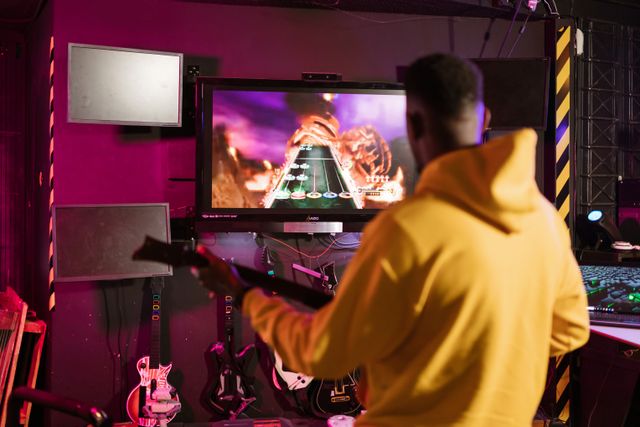
One of the clearest signs of game music's maturity is the calibre of composers now working in the medium. Hans Zimmer, Michael Giacchino, Harry Gregson-Williams, and Bear McCreary have all scored major game titles alongside their film and television work. The traffic moves in both directions: composers who built their careers in games, like Nobuo Uematsu and Koji Kondo, are recognised as significant figures in twentieth-century music more broadly.
This crossover has accelerated in recent years as game budgets have grown to rival film productions. Major titles now allocate substantial resources to original scores recorded with full orchestras, often at prestigious studios with the same production values applied to Hollywood films. The result is music that stands independently of its source — something that can be listened to, performed live, and appreciated without any knowledge of the game it accompanied.
| Composer | Known game work | Background |
| Nobuo Uematsu | Final Fantasy series | Self-taught; primarily game composer |
| Christopher Tin | Civilization IV, Old World | Classical and crossover albums |
| Bear McCreary | God of War, Battlestar Galactica | Television and games |
| Pinar Toprak | Avatar: Frontiers of Pandora | Film and game scoring |
| Austin Wintory | Journey, Sword of the Sea | Concert, film, and games |
Video game music did not become a serious genre because critics decided it should be taken seriously. It became one because composers treated it seriously from the beginning, because players formed genuine emotional attachments to it, and because the technical and artistic demands of the medium pushed composers to develop techniques that have enriched music more broadly.
The Grammy category, the sold-out concert halls, the chart positions — these are recognition of something that was already happening. Game soundtracks occupy a permanent place in contemporary music culture, and the composers working in the medium are among the most technically inventive in any field.
Let’s be blunt for a second. Burnaby is damp. Even when the sun shows up, moisture just… hangs around. And wood hates that. Strings complain. Electronics sulk. And then one rainy week turns into a warped neck or a fuzzy amp channel and suddenly you’re pricing repairs instead of playing shows.
A lot of us musicians rely on Burnaby self storage when space disappears — moving, renos, roommates collecting pinball machines in the living room (yes, that happens). So if your favourite guitar, clarinet, or DJ setup gets temporarily evicted, let’s keep it healthy while it waits for your next gig.
I’m not writing this as some corporate robot manual. This is just what actually works around here.
Burnaby’s Humidity: It Sneaks Up on You
Burnaby lives between mountains and the ocean, which sounds poetic until your violin swells like a sponge. Near Deer Lake? Wetter. Closer to Metrotown towers? Still damp. Up at SFU? Cold + damp. Pick your fighter.
Humidity messes with everything:
Sometimes you open a case and instantly regret your life decisions. Let’s not meet that version of your instrument.
If you notice even tiny issues — weird odour, fret ends poking, valves a bit crunchy — hit pause. Clean first.
The Packing Ritual (Do It Right, Just Once)
Fast wipe-downs don’t cut it when an instrument is going into a dark box for months.
Also — remove the snack wrappers in your gig bag. I’ve seen unbelievable things in side pockets.
This is the part people skip, then cry about later.
Batteries leak, destroy circuits, and ruin weekends.
Bubble wrap helps. Too much bubble wrap suffocates. Your case should feel like a hug, not a wrestling match.
Label screws and small parts. Your future self will high-five you for that one.
What Case? The Right Answer Isn’t “Whatever Bag I Have”
Hard truth: soft gig bags are more like jackets than armour. They’re fine in your hand — terrible in storage.
| Case Type | Protects Against | Good Choice For | Reality Check |
| Hard Case | Falls, pressure, humidity shifts | Strings, brass, woodwinds | Standard if you love your gear |
| Flight Case | Almost everything | Amps, drums, DJ rigs | Heavy but heroic |
| Gig Bag | Scuffs, light bumps | Short travel only | Do not long-term store |
| Piano Crates | Gravity, movement | Upright & grand pianos | Let pros handle this |
If your case has a broken latch . . . that’s not a case. That’s a suggestion.
Humidity Control — The Real MVP
Ideal conditions (and yes, they matter):
Tools that save instruments:
I’ve seen a gorgeous vintage Telecaster ruined because someone thought their basement was “pretty dry.” It wasn’t.
How to Store Instruments Inside a Unit Without Sabotaging Them
Climate-controlled storage = yes
Garage storage = if you secretly hate your gear
Lay things out like this:
Security matters too. If the place doesn’t have cameras, access control, and humans around? Keep looking. Burnaby isn’t crime-proof.
And for pianos . . . hire professionals. Your back — and the piano — will appreciate that choice.
Different Instruments, Different Drama
Loosen strings a hair. Humidifier in the case. Cloth between strings and fretboard. Don’t argue.
Full disassembly. Cork grease before the long sleep.
Dry everything — spit exists, we all know it — then oil valves.
Nest shells with padding. Cymbals in sleeves unless you like scratches that never go away.
Power everything down and isolate cables. Dust is sneaky, condensation sneakier.
Climate matters more than the moon’s gravitational pull (almost).
Quick Checklist (Print It, Screenshot It, Tattoo It?)
Done? Good. Go treat yourself to sushi at Metrotown or something.
Where Musicians in Burnaby Actually Store Stuff
Folks store gear because life gets tight — moving into a condo, waiting for renos, growing family, whatever. Storage keeps music alive when the space doesn’t cooperate.
Climate-controlled units in Burnaby are the safest bet. If you’ve got internal resource pages like:
I’ll slot these links perfectly where they boost SEO without sounding like a robot snuck in.
Final Thought (Not a Pep Talk, Just Real)
Good instruments don’t ask for much. A little respect. A decent case. Air that won’t rot them from the inside.
Then when you pull that guitar out next spring — maybe you’re heading to a jam at a buddy’s place near Canada Way — it’ll still sing like it remembers you.
And honestly? That feeling makes the whole storage thing worth it.
Music is a universal language that influences people of all ages, but its impact is especially profound on children. From the earliest stages of life, music helps shape brain development, emotional well-being, and social skills. Whether through lullabies, nursery rhymes, or interactive musical play, children naturally respond to rhythm and melody, making music an essential tool for learning and growth.
This article explores how music supports a child’s cognitive, emotional, and physical development, as well as practical ways parents and caregivers can incorporate it into daily life.
Music is more than just an enjoyable activity—it plays a significant role in cognitive growth. Studies have shown that exposure to music at an early age strengthens neural connections, improving memory, attention span, and problem-solving skills. The patterns and rhythms in music help children recognize sequences, a fundamental skill for math and language development.
Learning to play an instrument, singing songs, or simply listening to music stimulates both hemispheres of the brain. Children who engage with music regularly often show advanced literacy and numeracy skills compared to their peers. Research also suggests that children who learn to play instruments have better spatial reasoning abilities, which are crucial for subjects like mathematics and engineering.
Music is deeply connected to emotions, making it a powerful tool for helping children understand and express their feelings. Even before they can speak, infants respond to the tone and mood of music, recognizing joyful, calming, or energetic melodies.
Singing to children, especially lullabies, has a soothing effect, reducing stress and creating a sense of security. As children grow, music provides an outlet for self-expression, allowing them to explore their emotions in a safe and creative way. Dance and movement activities set to music further enhance emotional release and help with emotional regulation.
For children experiencing anxiety or stress, soft, slow music can have a calming effect, while upbeat songs can boost energy and improve mood. Music therapy is often used to help children with emotional difficulties, showing the deep psychological benefits of musical engagement.
Music is an inherently social activity. Singing songs together, clapping to a rhythm, or playing instruments in a group setting helps children develop essential social skills like teamwork, cooperation, and communication.
Group musical activities, such as singing in a choir or participating in a music class, teach children to listen to one another, take turns, and coordinate their actions with others. These interactions help build confidence and a sense of belonging, making music a valuable tool in early childhood education and socialization.
Music also plays a significant role in cultural awareness, introducing children to different traditions, languages, and histories. Learning songs from various cultures fosters an appreciation for diversity and helps children connect with people from different backgrounds.
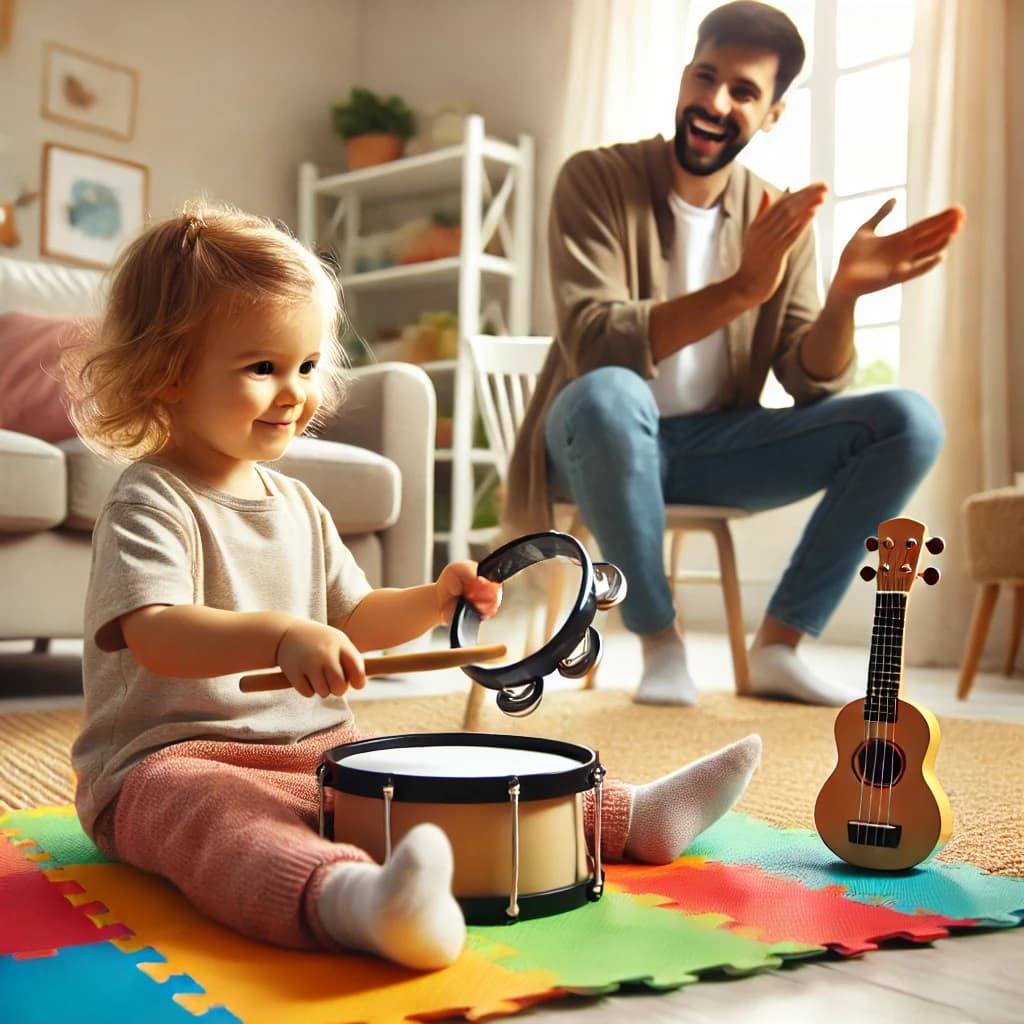
Music is naturally linked to movement, making it an excellent way to support a child’s physical development. Dancing, clapping, and playing instruments like drums or tambourines improve fine and gross motor skills. Activities that involve coordination, such as tapping a beat or following a rhythm with body movements, help children develop balance and control.
For young children, simple musical games like pat-a-cake or action songs like "If You’re Happy and You Know It" enhance motor coordination and body awareness. Music and movement activities also encourage physical exercise, which is essential for overall health and well-being.
Additionally, research has shown that rhythmic movement in early childhood can enhance speech and language skills. The connection between rhythm and language processing suggests that children who engage in musical activities may find it easier to develop strong communication skills.
Incorporating music into daily life doesn’t require special skills or instruments. Simple activities can have a lasting impact on a child’s development. Here are some easy ways to make music a regular part of a child’s routine:
The key is consistency—regular exposure to music in a fun and engaging way ensures that children receive its full benefits.
Music is a powerful force in a child’s development, influencing brain growth, emotional well-being, social skills, and physical coordination. Whether through listening, singing, playing, or dancing, music provides endless opportunities for learning and joy.
By making music an everyday part of a child’s life, parents and caregivers can support a child’s holistic development while creating beautiful memories that last a lifetime.
Music has been a fundamental part of human life for centuries, influencing emotions, memory, and even physical well-being. But its impact begins much earlier than we might think—before birth. Studies suggest that babies can hear and respond to sounds while still in the womb, and music plays a significant role in shaping their early development. From soothing prenatal melodies to lullabies that strengthen parent-baby bonds, music is more than just entertainment—it’s a powerful tool that supports both emotional and cognitive growth.
This article explores how music affects babies before and after birth, its influence on brain development, and how parents can use it to foster a deeper connection with their child.
Hearing is one of the first senses to develop in the womb, with fetuses responding to sound as early as the 16th week of pregnancy. By the third trimester, babies can recognize familiar voices and rhythms, showing signs of preference for certain sounds. Research has shown that unborn babies react to music by increasing or decreasing their movements, heart rate, and even facial expressions.
Music can have a calming effect on both the mother and the baby. Gentle melodies, classical compositions, and soft lullabies can create a relaxing atmosphere that helps reduce stress levels. In contrast, loud or jarring noises may cause agitation in the fetus, highlighting the importance of choosing music that is soothing and harmonious.
For parents undergoing fertility treatments or planning their journey to parenthood, understanding the emotional benefits of music can be a valuable part of the process. Many fertility clinics and parenthood services emphasize the role of relaxation and mental well-being in conception, making music a simple yet effective tool for stress reduction.
Exposure to music before birth can support early brain development. Studies suggest that babies exposed to music in the womb may develop better auditory processing skills, improved memory, and a heightened ability to recognize patterns in sound. This is because music stimulates neural connections, helping the brain form pathways that later support language learning and cognitive functions.
One fascinating study found that newborns recognize and prefer songs they heard during pregnancy. This suggests that early exposure to music helps with memory formation, even before birth. Parents who sing or play specific songs during pregnancy often notice that their babies respond positively to the same melodies after birth, indicating an early bond with familiar sounds.
Additionally, music is often intertwined with the broader concept of fertility, which refers to the ability to conceive and bear children. Many cultures around the world have used music and sound rituals as part of fertility traditions, believing that certain rhythms and tones can promote conception and a healthy pregnancy.
Music plays an essential role in emotional bonding between parents and their newborns. Singing to a baby—whether during pregnancy or after birth—creates a sense of security and comfort. The rhythm and tone of a parent’s voice can be soothing, helping babies regulate their emotions and feel more connected to their caregivers.
Lullabies have been used across cultures for centuries to calm infants and promote sleep. The repetitive melodies and gentle sounds provide a sense of familiarity, reducing stress and fostering emotional attachment. Research also suggests that singing to babies can enhance their language development by exposing them to patterns of speech and rhythm, making it easier for them to learn communication skills later on.
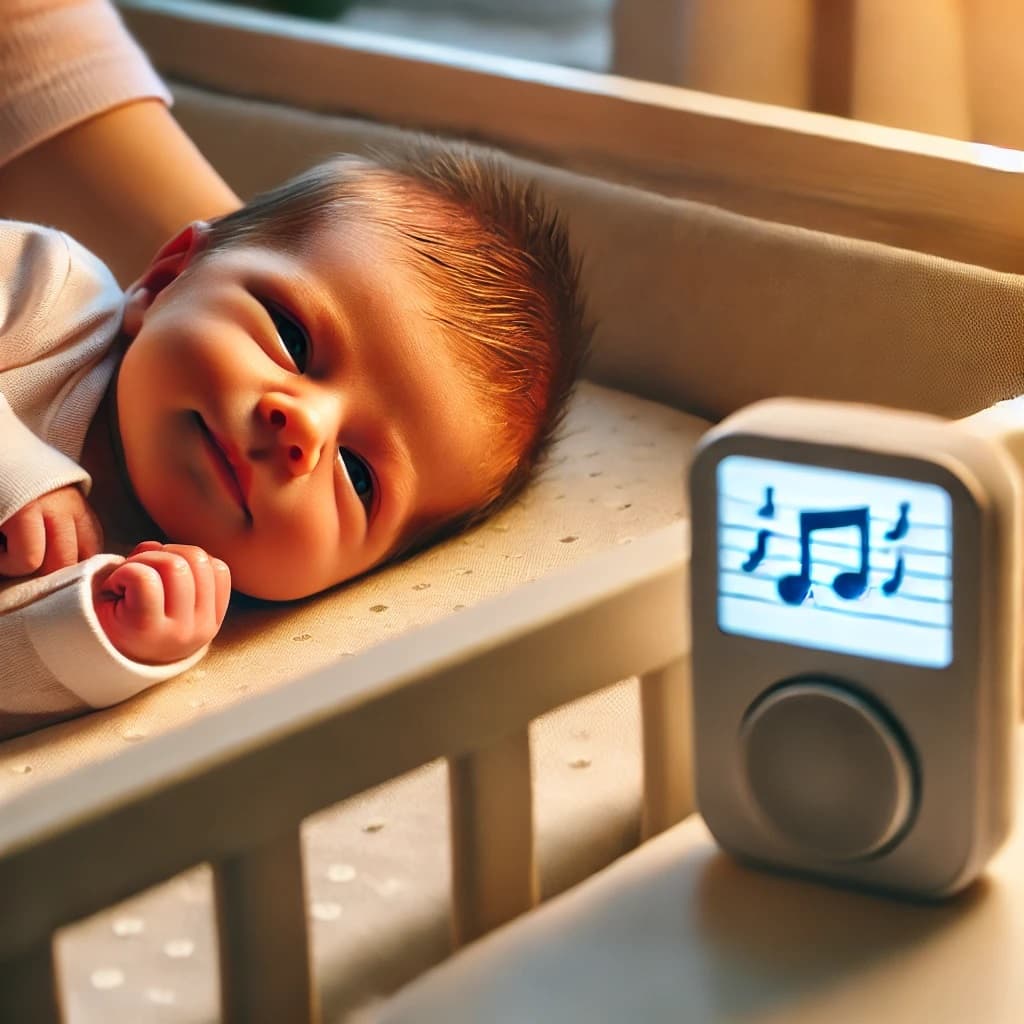
After birth, music continues to have a profound impact on a baby’s emotional and cognitive development. Soft, rhythmic tunes can help soothe fussy infants, while interactive musical activities, such as clapping or playing with instruments, encourage motor skill development and coordination.
Many neonatal intensive care units (NICUs) use music therapy to support premature babies. Studies have shown that gentle music helps stabilize heart rates, improve oxygen saturation levels, and even promote better feeding patterns in preterm infants. This therapeutic approach demonstrates how music is not just a source of entertainment but a valuable tool for early development and healing.
Additionally, as babies grow, exposure to a variety of music can help them develop better listening skills, enhance creativity, and even improve social interactions. Singing, dancing, and playing musical instruments with infants encourage active engagement, setting the foundation for a lifetime of learning and appreciation for music.
Music is one of the first connections a baby has with the world, influencing their emotions, cognitive abilities, and social bonds even before birth. From soothing prenatal sounds to the comforting melodies of infancy, music helps create a nurturing environment that supports early development.
By incorporating music into daily routines, parents can foster a deep emotional connection with their baby while also stimulating their early growth and well-being. Whether through lullabies, instrumental music, or simply talking and singing, every note contributes to the beautiful symphony of new life.
In the world of music, visual elements play a significant role in shaping an artist's identity and connecting with fans. Custom jewelry has emerged as a powerful tool for musicians to express their style, elevate their brand, and offer unique merchandise to their followers. From iconic statement pieces to limited-edition collections, custom jewelry allows musicians to extend their creativity beyond music and create tangible connections with their audience. Join us as we explore the fascinating intersection of music and wearable art, delving into how custom jewelry enhances musician branding and captivates fans through innovative merchandise offerings.
Customized jewelry plays a pivotal role in offering fans exclusive and personalized merchandise that goes beyond traditional concert tees and posters. Musicians leverage custom jewelry to create special connections with their audience through wearable art.
Custom jewelry provides fans with a tangible piece of their favorite musician's brand. These unique pieces serve as more than just accessories; they embody the artist's creativity and message. Fans cherish custom jewelry as collectibles that hold sentimental value and serve as conversation starters, showcasing their dedication to the musician.
The appeal of limited-edition jewelry tied to album releases or tours lies in its exclusivity. Fans eagerly await these special collections, which often feature thematic designs inspired by album artwork or tour aesthetics. Limited quantities increase demand, fostering a sense of urgency among collectors to own a piece of music history.
Musicians collaborate with skilled jewelry designers to create innovative pieces that resonate with music enthusiasts. Designs may incorporate song lyrics, album motifs, or symbolic elements that reflect the artist's journey and artistic vision. For example, Katerina Evanthia, a custom jewelry designer based in San Diego, specializes in crafting bespoke pieces that capture the essence of music and individuality. Her unique approach to custom jewelry design aligns perfectly with musicians seeking to offer fans exceptional and meaningful merchandise.
Customized jewelry elevates the fan experience by offering wearable art that embodies the spirit of music and fosters deeper connections between musicians and their devoted followers. Through innovative design and limited editions, custom jewelry stands out as a coveted and cherished extension of the artist's brand.
Customized jewelry serves as a distinctive and exclusive form of merchandise that allows musicians to deepen their connection with fans. Unlike traditional concert merchandise, custom jewelry offers a wearable expression of the artist's creativity and style.
Fans value customized jewelry for its rarity and personal significance. These pieces go beyond standard concert memorabilia, representing a tangible link to the musician's brand and identity. Fans feel a sense of exclusivity and pride in owning custom jewelry, elevating their connection to the artist.
The allure of limited-edition jewelry tied to album releases or tours lies in its collectible nature. Fans eagerly anticipate these special releases, which often feature thematic designs inspired by album artwork or tour themes. Limited quantities create a sense of urgency and desirability among fans, making each piece a coveted item.
Musicians collaborate with skilled jewelry designers to create innovative pieces that resonate with music enthusiasts. Designs may incorporate song lyrics, album motifs, or symbols that reflect the artist's persona and journey. For example, Katerina Evanthia, a custom jewelry designer based in San Diego, specializes in crafting bespoke pieces that capture the essence of music and individuality. Her unique approach to custom jewelry design aligns perfectly with musicians seeking to offer fans exceptional and meaningful merchandise.
Custom jewelry serves as a powerful medium for musicians to connect with their fans on a deeper emotional level, forging lasting bonds beyond the music itself.
Fans often develop a strong emotional attachment to musicians, and custom jewelry deepens this connection. Wearable art pieces become symbols of admiration and shared experiences, allowing fans to carry a piece of their favorite artist with them wherever they go. Customized jewelry evokes feelings of nostalgia and excitement, reminding fans of memorable concerts or pivotal moments in their lives.
Wearable art pieces hold sentimental value and become cherished mementos for fans. Each custom jewelry item represents a unique chapter in the fan's journey with the musician, whether it's a limited-edition pendant from a sold-out tour or a personalized ring celebrating a favorite album release. These pieces become conversation starters and heirlooms, passed down through generations, preserving the legacy of the artist.
Custom jewelry plays a key role in strengthening fan loyalty and engagement. Fans who proudly wear customized pieces become brand ambassadors, sparking conversations and sharing their passion for the artist with others. This organic promotion fosters a sense of community among fans, strengthening their loyalty to the musician and creating a supportive fan base.
Collaborations between musicians and jewelry designers result in meaningful and impactful collections that capture the essence of the artist's music. By translating musical themes and emotions into wearable art, these collaborations offer fans an authentic and intimate connection with their favorite artists. Successful partnerships highlight the importance of artistic synergy and shared vision in creating custom jewelry that resonates with fans.
Custom jewelry becomes more than just adornment—it's a tangible expression of fandom and a bridge that unites musicians and their devoted followers in a shared love for music and creativity.
Custom jewelry has become an integral component of musicians' branding strategies, offering unique opportunities for creative expression and brand expansion beyond the music industry.
Musicians strategically integrate custom jewelry into their overall brand identity, aligning designs with their music genre, persona, and fan base. Jewelry becomes a signature element that reinforces the artist's image and aesthetic, extending their brand into the fashion realm.
Social media platforms serve as powerful tools for promoting custom jewelry collections. Musicians leverage their online presence to showcase jewelry pieces, engaging fans through behind-the-scenes content and personalized stories. Influencer marketing amplifies reach, with influencers and celebrities endorsing custom jewelry collaborations, further boosting brand visibility.
Successful partnerships between musicians, jewelry brands, and fashion houses result in innovative and trend-setting collections. These collaborations blend artistic vision with technical expertise, producing custom jewelry that resonates with both music enthusiasts and fashion connoisseurs. Collaborative efforts highlight the intersection of music and style, fostering cross-industry connections and expanding audience reach.
Custom jewelry has revolutionized musician branding and merchandise, offering a dynamic avenue for creative expression and fan engagement. Through exclusive and personalized pieces, musicians forge deeper connections with their audience, evoking emotions and memories that transcend music alone. Wearable art serves as a tangible symbol of fandom, strengthening loyalty and community among fans. Innovative branding strategies, including social media promotion and strategic partnerships, amplify the impact of custom jewelry, extending the artist's reach into the fashion realm. As a result, custom jewelry remains a powerful tool for musicians to elevate their brand identity and leave a lasting impression on their devoted followers.
Getting a good night's sleep is essential for maintaining overall health and well-being. While many factors contribute to quality sleep, two key elements can significantly enhance your sleep experience: music and a quality mattress. In this article, we'll explore the combined benefits of these two factors. We'll share personal anecdotes and customer testimonials about using music and mattresses to achieve better sleep, and include expert advice from both sleep and music professionals in Surrey. Whether you're struggling with insomnia or simply looking to improve your sleep quality, this guide from your Surrey mattress store will provide valuable insights.
Sleep is a vital component of our daily lives, impacting everything from cognitive function and mood to physical health and immune function. Poor sleep can lead to a host of problems, including increased stress, weight gain, and a higher risk of chronic diseases such as heart disease and diabetes. Understanding the importance of sleep can motivate us to take steps to improve our sleep habits.
Both music and mattresses play crucial roles in enhancing sleep quality. Music has been shown to have a calming effect on the mind, helping to reduce stress and anxiety, which can make it easier to fall asleep. A quality mattress, on the other hand, provides the necessary support and comfort to keep your body in a restful state throughout the night.
Music can have a profound impact on our sleep patterns and relaxation levels. Listening to soothing music before bed can help slow down your heart rate, lower blood pressure, and reduce levels of stress hormones in the body. This creates an optimal environment for sleep.
Certain types of music are particularly beneficial for sleep. Classical music, with its slow tempo and relaxing melodies, is a popular choice. Nature sounds, such as rain or ocean waves, can also be incredibly soothing. Additionally, the concept of binaural beats—sound waves that can alter brainwave activity—has gained popularity as a sleep aid.
We spoke with Jane Doe, a licensed music therapist in Surrey, to get her insights on the best practices for using music to improve sleep. Jane recommends creating a bedtime playlist of slow, calming songs with a tempo of around 60-80 beats per minute. "This tempo mimics the natural rhythm of the heart when at rest, which can help induce a state of relaxation," she explains. Jane also advises avoiding music with lyrics, as they can be stimulating rather than calming.
A good mattress is essential for maintaining proper spinal alignment and providing the necessary support for your body. Without adequate support, you may experience discomfort and pain, leading to restless nights and poor sleep quality. Comfort is equally important; a mattress that is too firm or too soft can disrupt your sleep.
Different types of mattresses offer various benefits:
Dr. John Smith, a sleep expert based in Surrey, emphasizes the importance of choosing the right mattress. "The right mattress can make a significant difference in your sleep quality," he says. Dr. Smith recommends considering your sleeping position, weight, and personal comfort preferences when selecting a mattress. "It's important to test the mattress in-store and ensure it provides adequate support for your spine while being comfortable enough to promote relaxation."
I used to struggle with falling asleep and often woke up feeling tired and sore. After doing some research, I decided to try listening to calming music before bed and invested in a high-quality memory foam mattress from my local Surrey mattress store. The difference was astounding. The music helped me relax and fall asleep faster, while the new mattress provided the support and comfort I needed to stay asleep throughout the night. I woke up feeling refreshed and energized, ready to take on the day.
We reached out to customers of our Surrey mattress store to hear about their experiences. Here are a few testimonials:
Jane Doe and Dr. John Smith both emphasize the importance of creating a sleep-conducive environment. Here are their top tips:
ALSO READ: Digital Music Experiences: The Evolution and Appeal of Online Concerts
Improving your sleep quality can have a profound impact on your overall health and well-being. By incorporating calming music into your bedtime routine and investing in a high-quality mattress from your local Surrey mattress store, you can create the perfect environment for a restful night's sleep. Remember to test different mattresses and find the one that best suits your needs. With the right combination of music and a quality mattress, you'll be well on your way to achieving sound sleep and waking up refreshed and ready to take on the day.
Online concerts have seen meteoric growth, transforming into a pivotal alternative for live music events. This progression has been propelled by leaps in technology and shifts in social standards. These virtual performances provide unmatched accessibility, permitting fans worldwide to partake in live shows without physical constraints. The piece investigates how online concerts are broadening the scope of musicians, furnishing them with leading-edge techniques to interface with a worldwide crowd. It examines the advantages these advanced events introduce, like comfort and the ability to contact a more extensive audience, reshaping the customary concert experience.
Assembling the Virtual Platform: The Tech Powering Online Concerts
An online concert's achievement depends intensely on the innovation used to stream live performances. This includes top notch sound and video streaming, frequently matched with intuitive features permitting crowd contribution. The article delves into the different platforms ordinarily utilized for hosting these concerts and how artists and technicians team up to convey a top notch virtual experience. It examines the technical difficulties faced, like guaranteeing dependable web network and reproducing the energy of live performances carefully, and the clever arrangements utilized to defeat these difficulties.
Crowd Experience in Online Music Events
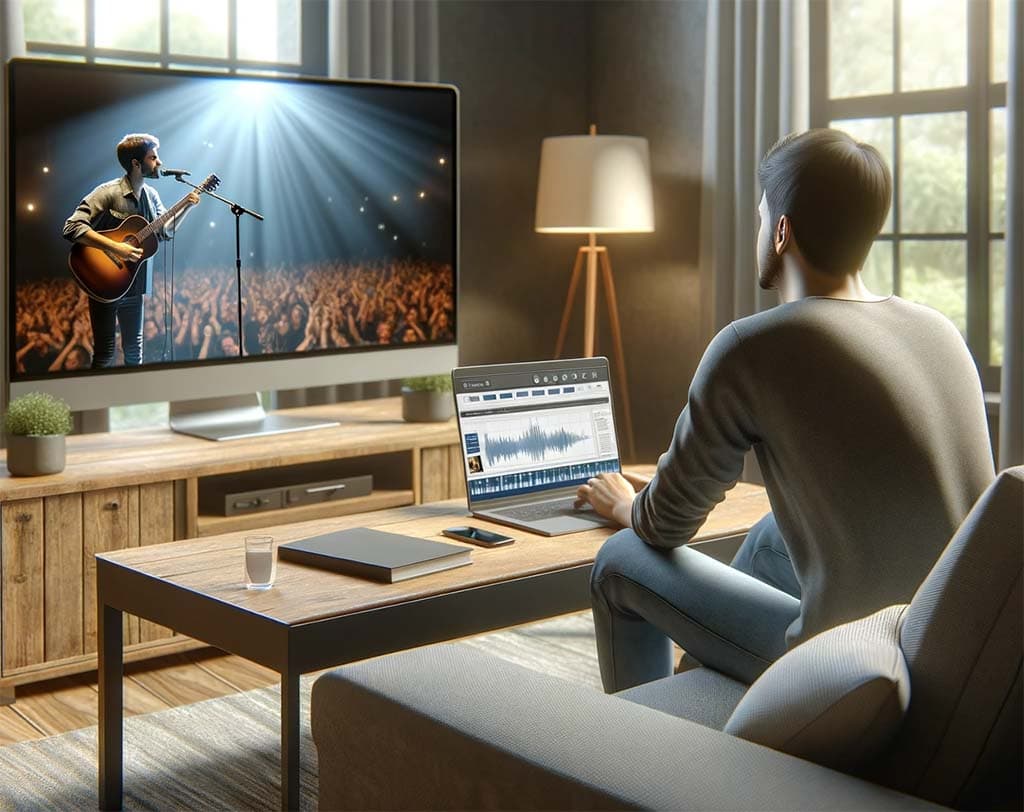
Going to an online music concert is novel and varies essentially from customary concert settings. Viewers can appreciate performances from their home's solace, with the ability to connect with the event and artist continuously. This segment portrays what viewers can expect during an online concert, including how to get to the event, the nature of sound and visuals, and intuitive elements like live chats and virtual applause. The article features the developing local area viewpoint of online concerts, where fans from various areas of the world can unite over common melodic interests, upgrading the feeling of association and community.
The Destiny of Online Music Concerts
As the world keeps on embracing digital platforms, online music concerts are ready to assume an increasingly critical part in the music business. This piece of the article theorizes on potential future advances in virtual concert innovation and their effect on the live music experience. It investigates the likelihood of online concerts coexisting with customary live performances, offering a more extensive scope of choices for music fans. The future of online concerts could see additional developments in interactivity and immersion, making them a fundamental piece of the music business' development.
Amplifying the Online Concert Experience
To completely appreciate an online concert, viewers can take explicit steps to upgrade their experience. Enhancing the home review setup is fundamental; a comfortable seating plan and great sound framework can essentially improve the experience. Engaging with the concert's intuitive features, like live chats and online media support, can likewise upgrade satisfaction. The article offers tips for viewers to capitalize on online music events, like testing web associations ahead of time and investigating various platforms for the best review experience. By considering these variables, attendees can make an important and pleasant concert experience directly in their own lounge rooms.
The Role of Artists and Organizers in Online Concerts
An online concert's prosperity generally relies upon the artists and organizers behind them. This segment features the jobs and duties of these people in making an engaging online event. Artists should adjust their performances to suit the advanced organization, frequently fusing inventive visuals and intuitive elements to draw in the crowd. Organizers, then again, are liable for the technical aspects, guaranteeing a smooth and continuous streaming experience. The article examines the imaginative open doors and difficulties faced by artists and organizers in this new concert format, exhibiting how development is driving the business forward.
End: Receiving the New Time of Music Events
Online music concerts address a critical turn of events in the realm of live music. As advanced stages become progressively incorporated into our lives, these virtual events offer new ways for artists to interface with fans and for crowds to appreciate live performances. This article finishes up by reflecting on the significance of online concerts in the contemporary music scene. It emphasizes how these events are forming the eventual fate of live music, furnishing artists with creative roads to exhibit their work and fans with more open and different ways to encounter music.
Drive-in concerts have risen in popularity as an innovative solution to enjoy live music while adhering to social distancing guidelines. Originating as a nostalgic throwback, these events have quickly adapted to become a key part of the music industry’s response to new challenges. In these concerts, attendees experience live performances from the comfort and safety of their own vehicles, merging the classic concept of a drive-in movie with the dynamic energy of live music. This introduction explores the evolution of drive-in concerts, tracing their journey from a novelty idea to a mainstream entertainment option, and how they have revolutionized the concert-going experience in recent times.
Organizing a Drive-In Concert: Behind the Scenes
The organization of a drive-in concert is a complex process that involves meticulous planning and coordination. Key considerations include selecting a large, accessible venue, such as open fields or parking lots, and setting up a stage and large screens to ensure visibility for all attendees. Audio is another critical component, often delivered through FM radio transmissions directly to each car. Organizers must also manage ticketing and parking logistics, ensuring a smooth flow of vehicles and an optimal viewing experience for every attendee. This section delves into the intricate details of planning a drive-in concert, highlighting the innovative strategies organizers employ to create a successful event.
Attending a Drive-In Concert: What to Expect
For attendees, drive-in concerts offer a unique experience that differs significantly from traditional concert settings. Upon arrival, cars are directed to designated parking spots, often arranged in a tiered layout to provide clear stage views. Audio is typically streamed via FM radio, offering high-quality sound directly in each vehicle. Attendees can enjoy the live performance from the comfort of their cars, with the option to set up seating in designated areas. This part of the article guides potential attendees on what to expect at a drive-in concert, from entry procedures to concert etiquette, providing a comprehensive overview of the experience.
The Role of Technology in Drive-In Concerts
Technology is a cornerstone in the execution of successful drive-in concerts. Advances in audiovisual technology have allowed for high-quality sound and visuals to be delivered directly to attendees in their vehicles. Large LED screens ensure that all attendees have a good view of the performance, regardless of their parking spot. FM transmission technology is used to stream audio to car radios, offering an immersive listening experience. This section examines the technological innovations that drive-in concerts rely on, exploring how they are employed to overcome the challenges of delivering a live music experience in this unique format.
Safety Measures and Guidelines for Attendees
Attending a drive-in concert requires adherence to specific safety measures and guidelines to ensure a secure and enjoyable experience for everyone. Organizers typically implement strict social distancing protocols, controlling the number of vehicles and spacing them appropriately. This section outlines the safety protocols that attendees must follow, including staying within designated areas, wearing masks when outside the vehicle, and minimizing contact with staff and other attendees. Additionally, it's important for attendees to ensure their vehicles meet certain standards for safety and comfort. This includes equipment requirements for windshields and side windows, which are crucial for clear visibility and overall enjoyment of the event. By adhering to these guidelines, attendees can enjoy the live music experience while keeping themselves and others safe.
Maximizing the Drive-In Concert Experience
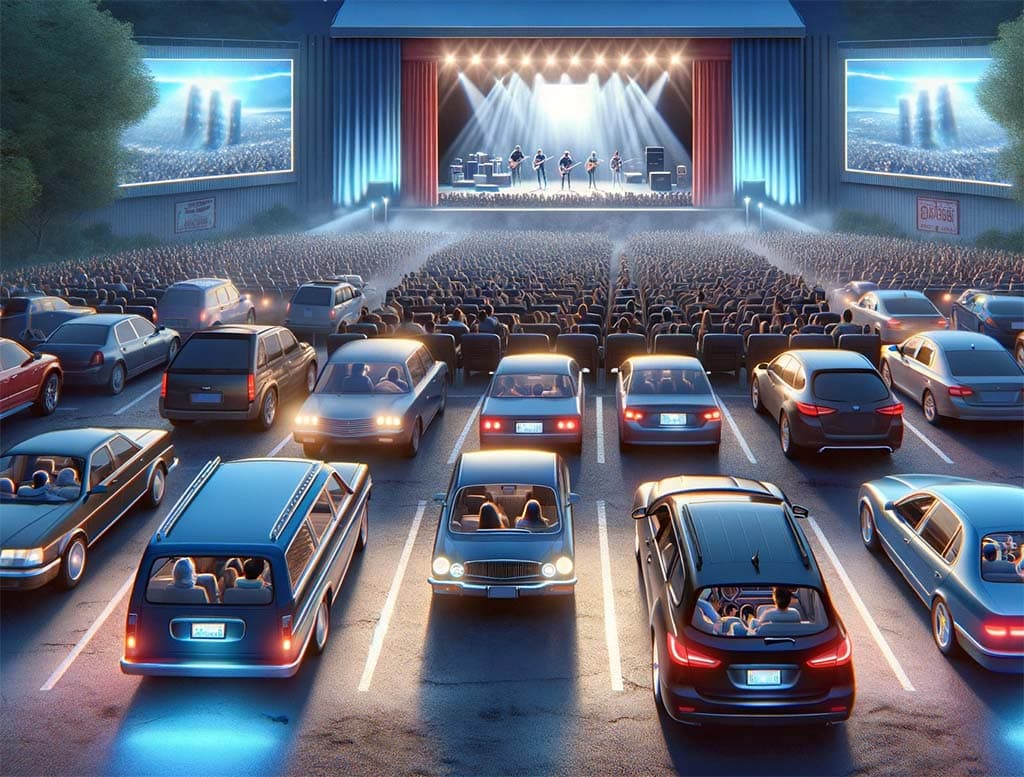
To get the most out of a drive-in concert, attendees can take several steps. First, arriving early ensures a good parking spot for optimal stage viewing. Bringing snacks and comfortable seating can enhance the in-car experience. It's also beneficial to familiarize oneself with the concert's audio setup, usually through an FM radio frequency, to ensure the best sound quality. Lastly, engaging with interactive elements provided by the organizers, such as light shows or smartphone apps, can enhance the communal feeling. By considering these factors, attendees can elevate their drive-in concert experience, creating memorable moments while enjoying their favorite music from the comfort and safety of their vehicle.
Conclusion: The Future of Drive-In Concerts
As the world adapts to new norms in event organization, drive-in concerts stand as a testament to the resilience and innovation of the live music industry. This conclusion reflects on the potential future of drive-in concerts, pondering whether they will continue to be a popular choice post-pandemic. It discusses the possibilities for growth and evolution in this format, including the integration of more advanced technology and the expansion to different types of events. The future of drive-in concerts appears promising, offering a unique blend of nostalgia, safety, and communal experience that can endure beyond current challenges.
In the ever-evolving realm of home entertainment and professional presentations, digital projectors have emerged as a versatile and impactful tool. With advancements in technology, they're no longer confined to displaying static presentations.
Today, digital projectors are increasingly being used for video streaming, offering an immersive viewing experience that rivals traditional screens.
This article delves into the transformative role of digital projectors in the world of video streaming, highlighting key aspects that make them a choice worth considering.
The journey of digital projectors from simple display devices to sophisticated streaming tools is nothing short of remarkable.
Modern projectors are now equipped with built-in streaming capabilities, allowing users to directly access their favorite streaming platforms.
This transition has not only simplified the streaming process but also expanded the potential of projectors in both domestic and professional settings.
One of the most notable advancements in digital projectors is the significant improvement in image quality.
High-resolution output, coupled with superior color accuracy, ensures that viewers enjoy a cinematic experience right in their homes or offices.
Moreover, the flexibility in screen size, which can be easily adjusted to fit any space, adds to the allure of using projectors for streaming.
Modern projectors come with a plethora of connectivity options including HDMI, USB, and even Wi-Fi. This variety in connectivity simplifies the process of streaming content from various sources, be it a laptop, smartphone, or directly through the internet.
User-friendly interfaces and remote controls further enhance the ease of accessing and navigating through streaming services.
To get the most out of your digital projector for video streaming, there are a few key considerations.
Choosing the right location and setting up the projector at an optimal distance from the screen or wall ensures the best viewing experience.
Additionally, investing in good quality audio equipment can complement the visual prowess of your projector, creating a truly immersive experience.
With a plethora of streaming services available, selecting the one that best suits your needs is crucial. Each platform offers a unique collection of content and features that can influence your streaming experience.
Websites like https://gagadget.com/en/reviews/projectors/ offer insightful reviews and comparisons of various streaming platforms, helping you make an informed decision.
Projectors are not just limited to home theaters; they're also making a significant impact in educational institutions, corporate settings, and even outdoor events.
Their versatility allows for a wide range of uses, from streaming educational content in classrooms to hosting movie nights under the stars.
In the corporate sphere, projectors have revolutionized presentations and meetings. Streaming live events, webinars, or video conferences through a projector can enhance audience engagement and communication effectiveness.
As technology continues to evolve, we can expect to see even more innovative features in digital projectors. Enhanced smart capabilities, improved wireless streaming, and even more compact and portable designs are likely on the horizon.
Staying updated with the latest trends and advancements is crucial, and resources like gagadget provide valuable insights into the future of projector technology.
Digital projectors have transcended their traditional roles, becoming pivotal in the realm of video streaming. Their versatility, enhanced image quality, and ease of use make them an excellent choice for a wide array of applications.
Whether it’s for a home theater, educational purpose, or corporate presentation, digital projectors offer an unmatched streaming experience.
Remember, the key to a great streaming setup is not just the projector but also the right choice of streaming platforms and accessories.
For the latest reviews and insights on digital projectors and streaming technologies, visiting gagadget is highly recommended. Embrace the future of streaming with the dynamic capabilities of digital projectors.